
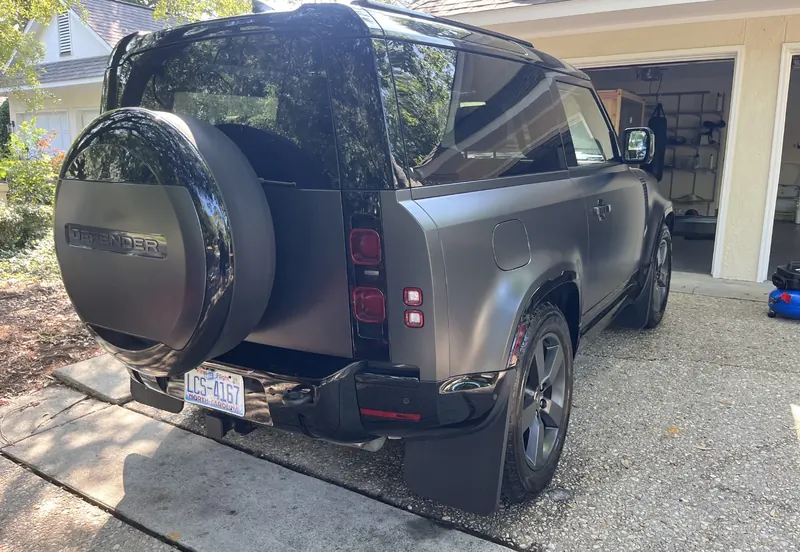
What a ceramic coating is
A ceramic coating is a liquid that is applied to clean, polished paint and then cures into a thin, hard, transparent layer. Unlike wax, which sits on top of the paint and washes away, a coating bonds to the clear coat. The result is a slick, glossy surface that repels water and makes dirt far less likely to stick.
Think of it as a sacrificial layer that takes the daily abuse so your clear coat does not have to. It will not make a car invincible, but it changes how the paint ages and how much work it takes to keep clean.
Coating vs wax vs sealant
| Feature | Wax | Spray sealant | Ceramic coating |
|---|---|---|---|
| Typical durability | Weeks to a few months | A few months | About 2 to 7 years by package |
| Water behavior | Good when fresh | Good | Excellent, long lasting |
| Chemical and UV resistance | Low | Moderate | High |
| Ease of washing | Fades quickly | Improves for a while | Much easier for years |
| Upfront cost | Lowest | Low | Highest, but lasts far longer |
Why coatings matter near the coast
Coastal North Carolina and Florida put paint through a lot. Salt in the air settles on every panel. UV exposure is intense for much of the year. Spring pollen coats everything, summer storms leave water spots, and bug season brings acidic splatter that can etch clear coat if it sits in the heat.
A coating does not stop those things from landing on your vehicle, but it keeps them from bonding as easily. Salt film and pollen rinse off, bugs release with less scrubbing, and the hard surface resists light etching better than bare paint. For boats, the same idea applies to gelcoat, which is why marine ceramic coating is so popular here.
Why prep decides the result
A coating locks in whatever is underneath it. If swirls, water spots or contamination are on the paint when it is coated, they are sealed in for years. That is why a proper install starts with a full wash, chemical and mechanical decontamination, and polishing. Our installs include a single stage polish, and vehicles with heavier defects get paint correction first.
The best coating on poorly prepped paint will still look disappointing. The prep is where most of the time goes, and it is what you are really paying for.
How to care for a coated vehicle
- Give the coating time to cure before the first wash. We will tell you exactly how long.
- Wash every week or two with a pH neutral soap and clean microfiber mitts.
- Skip automatic car washes with brushes, which can scratch even coated paint.
- Rinse off bird droppings, bugs and salt film promptly instead of letting them bake in.
- Book a maintenance wash periodically to keep the coating performing at its best.
See our ceramic coating service, or request a quote.
Frequently asked questions
Will a ceramic coating stop rock chips?
No. Coatings resist light marring but cannot stop impacts. For rock chip protection, use paint protection film on the front end.
Can I coat a used car?
Yes. Older vehicles often benefit the most. Expect some level of polishing or correction first so the coating seals a clean finish.
Does a coating mean I never have to wash my car?
No, but washing becomes faster and easier, and the vehicle stays cleaner between washes.