
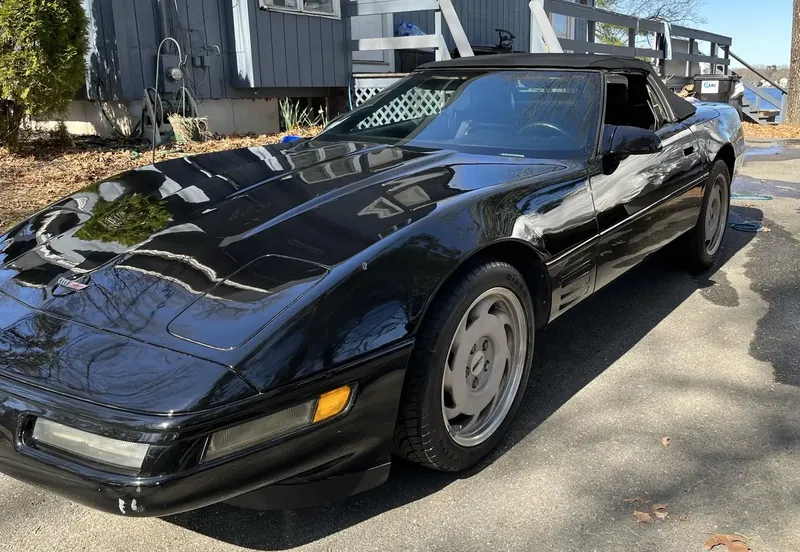
Paint correction for swirls and scratches in Wilmington, NC
Swirl marks, haze and light scratches make paint look dull. Machine polishing removes them instead of filling them in.
- Mobile, we come to you
- System X certified installers
- Open Monday to Saturday, 9 AM to 7 PM
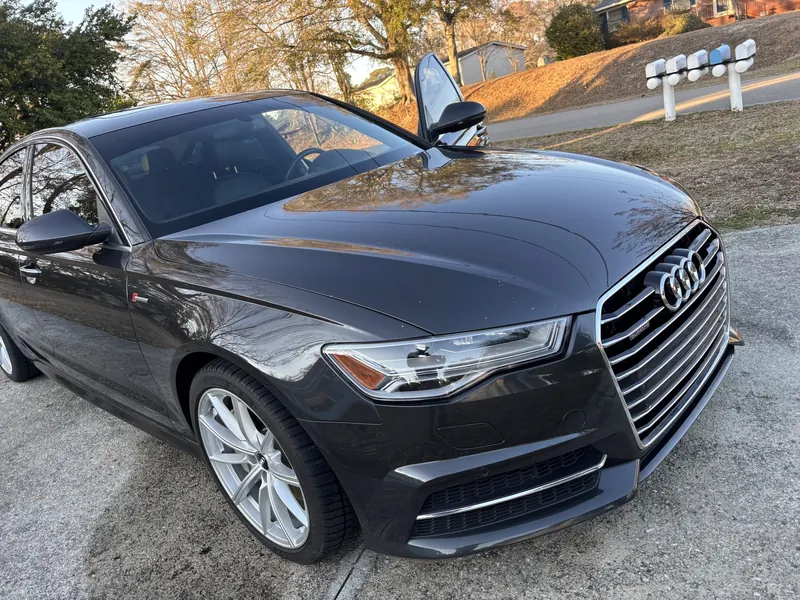
What correction fixes
Most swirls come from automatic car washes, dirty towels and dry wiping. They live in the top layer of clear coat. Paint correction carefully levels that layer with machine polishers, pads and compounds until the defects are gone and the surface reflects light cleanly again.
- Swirl marks and spider webbing
- Light scratches and wash marring
- Oxidation and faded, chalky paint
- Water spot etching
- Holograms and buffer trails from past polishing
Choose your level of correction
We inspect and test spot the paint first, then recommend the level that gets the best result safely.
One step polish
A single polishing stage that removes light swirls and boosts gloss. Great for newer vehicles or as coating prep.
Two step correction
A cutting stage followed by a refining polish. Typically removes about 70% of visible swirls and scratches.
What correction can and cannot fix
Correction works inside the clear coat. The deeper a defect goes, the less polishing alone can do.
| Defect | How deep it goes | Result |
|---|---|---|
| Swirl marks and wash marring | Top of the clear coat | Fixable with polishing One step polish |
| Light scratches and haze | Within the clear coat | Fixable with polishing Two step correction |
| Water spot etching | Top to middle of the clear coat | Fixable with polishing Polish or two step correction |
| Scratch that catches a fingernail | Through the clear coat | Improved, not erased Touch up or paint work. Polishing can soften it |
| Rock chips to primer or metal | Through every layer | Needs paint Touch up. Prevent with PPF |
Quick test: run a fingernail across the scratch. If it does not catch, correction will usually remove it.
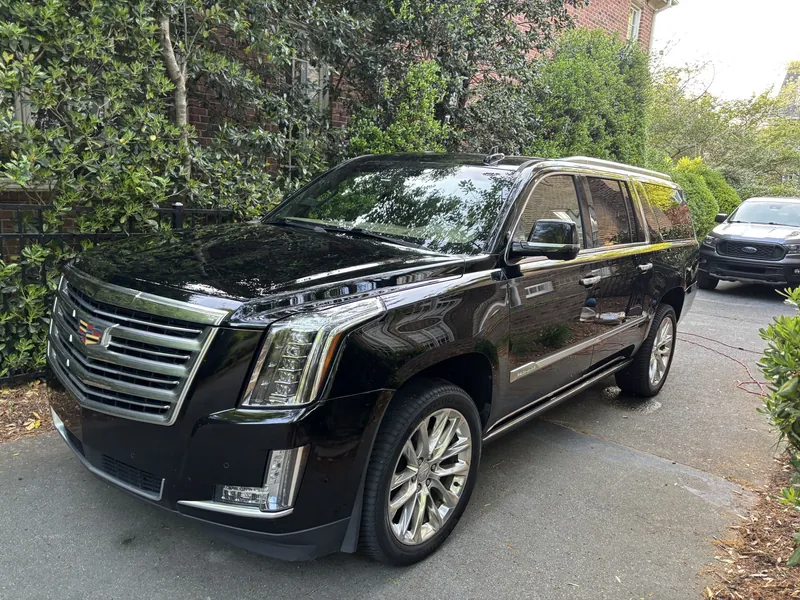
Coating after correction
Freshly corrected paint is the best time to seal it. A ceramic coating keeps the gloss for years, and paint protection film on the front end blocks rock chips.
Want to know more first? Read our paint correction guide.
How paint correction works
Paint correction is machine polishing that levels the clear coat to remove swirl marks, holograms, oxidation, light scratches and haze. A one step polish improves gloss and removes light defects. Our two step correction uses a cutting step followed by a finishing polish and removes up to 70% of surface scratches.
Depending on the paint condition, the size of the vehicle and the level of correction, it usually takes 4 to 12 hours or more.
What correction cannot fix
If you can catch a scratch with your fingernail, it has likely gone through the clear coat. Polishing that deep is not safe, so those scratches may need touch up paint or wet sanding instead. We will point them out before we start so you know what will improve and what will not.
Brand new cars are not always perfect either. Many arrive from the dealership with wash marks and haze from lot prep.
Protect the result
Corrected paint is the best time to apply a ceramic coating, because the coating locks in the gloss and makes washing safer so the swirls do not come right back.
Paint correction questions
Will paint correction remove deep scratches?
If a scratch catches your fingernail, it has likely gone through the clear coat. Correction can soften how it looks, but deep scratches usually need paint or touch up work. We will tell you honestly before we start.
Does paint correction remove clear coat?
Yes, a very small amount. That is why we measure, test and use the least aggressive method that gets the job done. Done correctly, it leaves plenty of clear coat for the life of the vehicle.
How long does it take?
A one step polish usually fits in a day. Two step correction can take one to two days depending on size and condition.
Is it worth it on an older vehicle?
Often yes. Oxidized, faded paint on older vehicles often improves a lot with correction, which helps before a sale.
How do I know if my car needs correction?
Look at the paint in direct sun. Spider web swirls, cloudy patches or fine scratches mean correction will make a visible difference.
Get a free quote
Tell us what you drive and what you want done. We will follow up with a clear, upfront quote.