
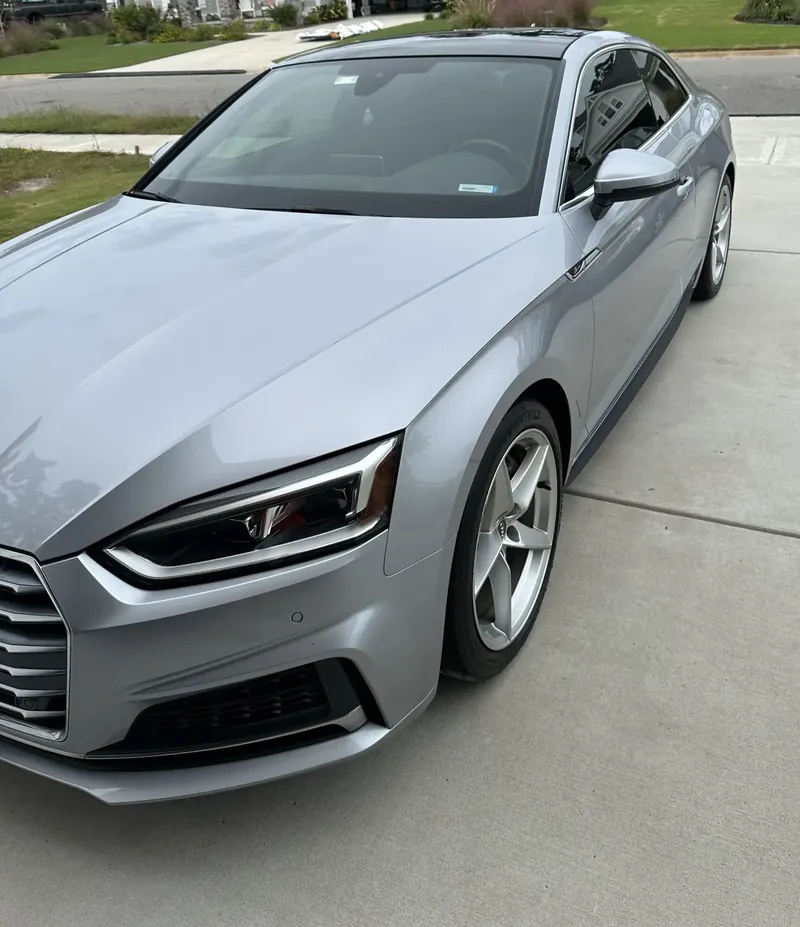
What PPF is
Paint protection film, or PPF, is a clear, flexible urethane film that is applied directly over painted panels. It is thick enough to absorb the impact of small stones and road debris that would otherwise chip through to the primer or metal. Most modern films also have a self healing top layer, so light scratches and swirls in the film fade with warmth from the sun or warm water.
Where to put it
You do not need to wrap an entire vehicle to get most of the benefit. Damage concentrates on the surfaces that face oncoming traffic and the areas that get touched or scuffed the most.
- Front bumper: the single most chipped panel on almost every vehicle.
- Hood and fenders: partial coverage protects the leading edge, full coverage hides any film line.
- Mirror caps and A pillars: small areas that chip constantly.
- Rocker panels: take spray from the tires, especially on lifted trucks.
- Door edges and door cups: protect against everyday dings and fingernail scratches.
PPF vs ceramic coating
| Question | Paint protection film | Ceramic coating |
|---|---|---|
| Stops rock chips? | Yes, absorbs impacts | No |
| Adds gloss and water beading? | Some, more when coated | Yes, a major benefit |
| Self heals light scratches? | Yes, on most modern films | No |
| Typical coverage | High impact areas or full vehicle | Entire vehicle |
They work best together. Many owners put film on the front end and then coat the entire vehicle, film included, for slick, easy to wash protection everywhere.
What install day looks like
The paint is washed, decontaminated and inspected first. Any defects you do not want sealed under the film should be polished out before installation. The film is then cut to fit, positioned, and squeegeed into place, with edges wrapped where possible for a cleaner look. Small moisture pockets can appear in the first days and normally dry out on their own.
Caring for PPF
- Wait the recommended time before the first wash.
- Wash with a pH neutral soap and soft microfiber, the same as coated paint.
- Avoid aiming a pressure washer directly at film edges.
- Remove bugs and bird droppings promptly.
See our paint protection film service or request a quote.
Frequently asked questions
Will PPF turn yellow?
Quality modern films are designed to resist yellowing. Older generation films were more prone to it.
Can PPF be removed?
Yes. Film can be removed by a professional, and the paint underneath is typically in the condition it was in when the film went on.
Is PPF worth it on a daily driver?
If you drive a lot of highway miles or want to keep the front end chip free, it is one of the most effective upgrades you can make.